






G Mining Ventures
NYSE: CLOSED
TSE: CLOSED
LSE: CLOSED
HKE: CLOSED
NSE: CLOSED
BM&F: CLOSED
ASX: CLOSED
FWB: CLOSED
MOEX: CLOSED
JSE: CLOSED
DIFX: CLOSED
SSE: CLOSED
NZSX: CLOSED
TSX: CLOSED
SGX: CLOSED
NYSE: CLOSED
TSE: CLOSED
LSE: CLOSED
HKE: CLOSED
NSE: CLOSED
BM&F: CLOSED
ASX: CLOSED
FWB: CLOSED
MOEX: CLOSED
JSE: CLOSED
DIFX: CLOSED
SSE: CLOSED
NZSX: CLOSED
TSX: CLOSED
SGX: CLOSED

By Metal or Resource

By Project Stage
By Exchange
By Geography
By Investment Theme


Serabi Gold

Crux Investor Index
8
–
Market Cap (USD)
226601061
Symbol
LSE:SRB
TSX:SBI
Stage of development
Production
Primary COMMODITY
Gold
Additional commodities
Company Overview
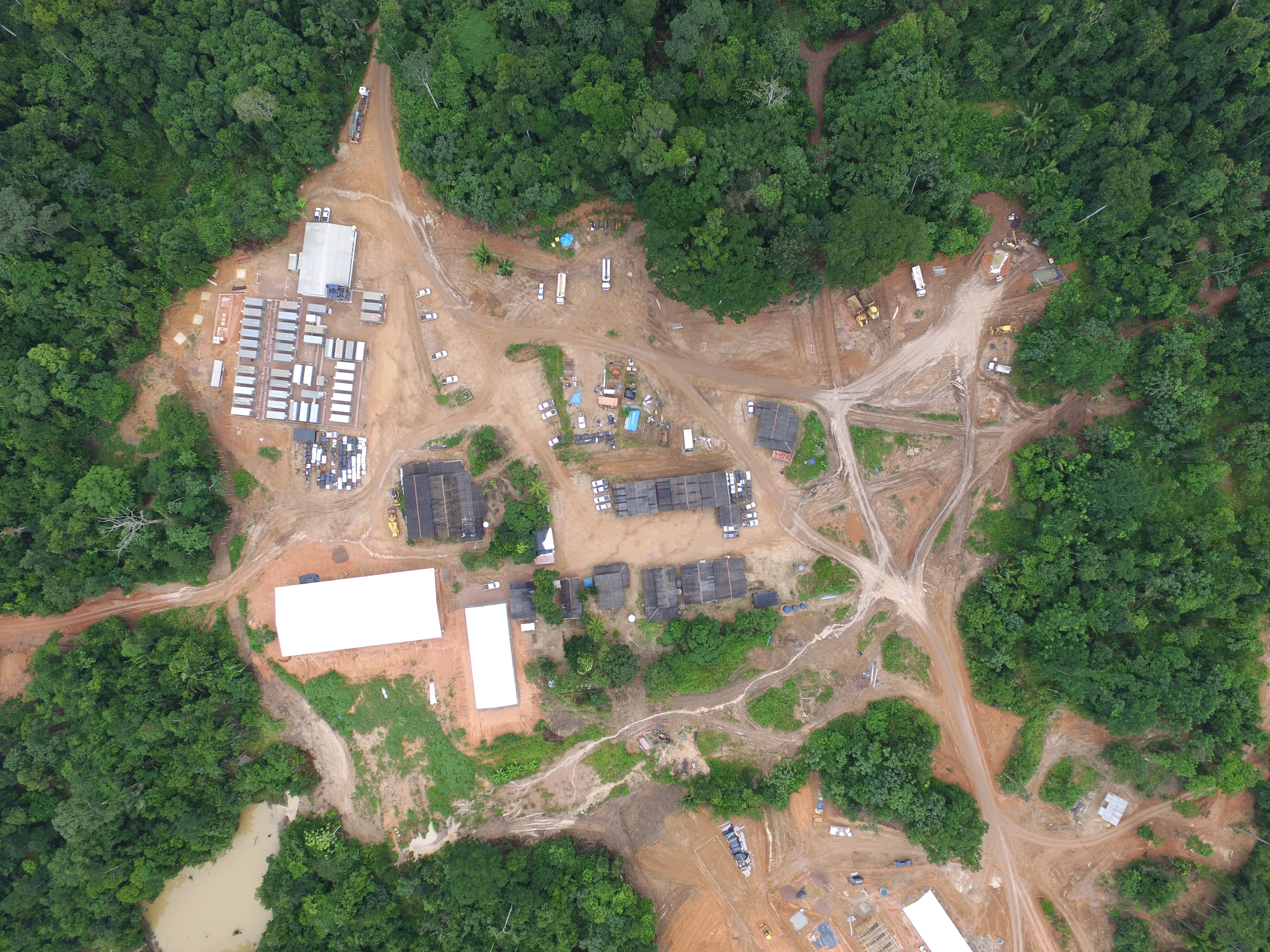
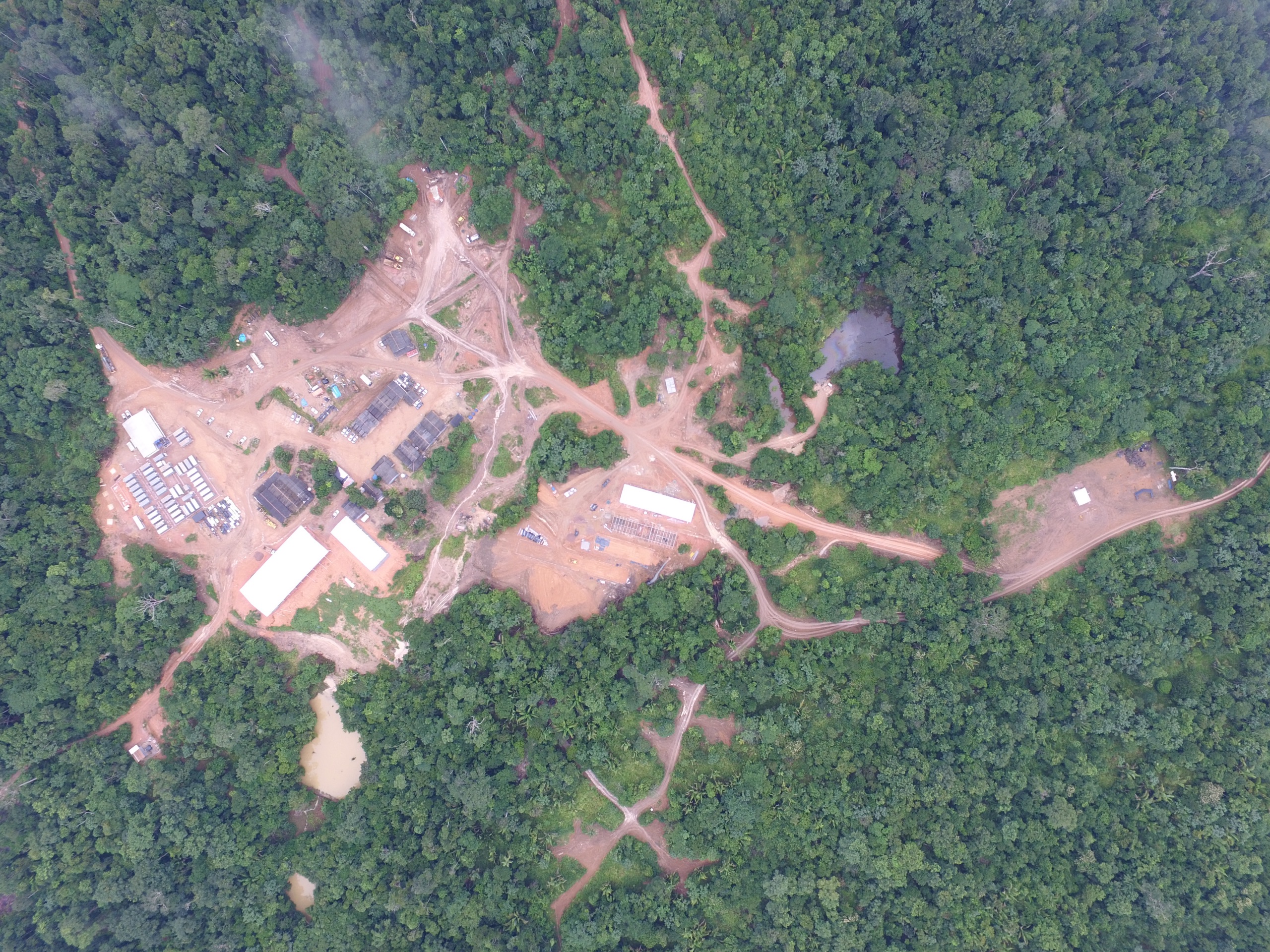
Serabi Gold plc (AIM: SRB, TSX: SBI, OTCQX: SRBIF) is a gold exploration, development, and production company focused on the Tapajós region of Pará State in northern Brazil. It follows a two-mines-one-plant strategy: the Palito Complex hosts the process plant, while ore from the Coringa Mine is crushed and ore-sorted on site, then transported about 200 km by road to Palito. Group production was 44,169 ounces of gold in 2025 and 34,057 ounces in the first three quarters of 2026, of which 23,089 ounces came from Coringa.
Consolidated Measured and Indicated (M&I) resources stand at 730,800 ounces of gold (2,485,800 tonnes at 9.1 g/t) and consolidated Inferred resources at 653,300 ounces (2,506,700 tonnes at 8.1 g/t). Palito also carries a proven and probable reserve of 228,000 ounces at 6.2 g/t.
The company has 75.7 million ordinary shares and 78.5 million fully diluted shares. At £2.70 per share on 18 September 2026, the market capitalization was £204.4 million (US$278.3 million). Cash stood at US$63.2 million as of 30 September 2026, and the company is debt-free. Classe Roca Magma FIP holds 25.0% of the shares, Ruffer 3.7%, and directors 0.7%. Equity research coverage comes from Peel Hunt, Tamesis Partners, and Zeus.
Opportunity
Serabi describes Pará as Brazil's leading mining state, with improving infrastructure and development incentives, resulting in an effective tax rate of 15.25%. In 2026, the Superintendência do Desenvolvimento da Amazônia (SUDAM) renewed Palito's income tax incentive, keeping its nominal rate at approximately 15.25% through 2035, down from 34%.
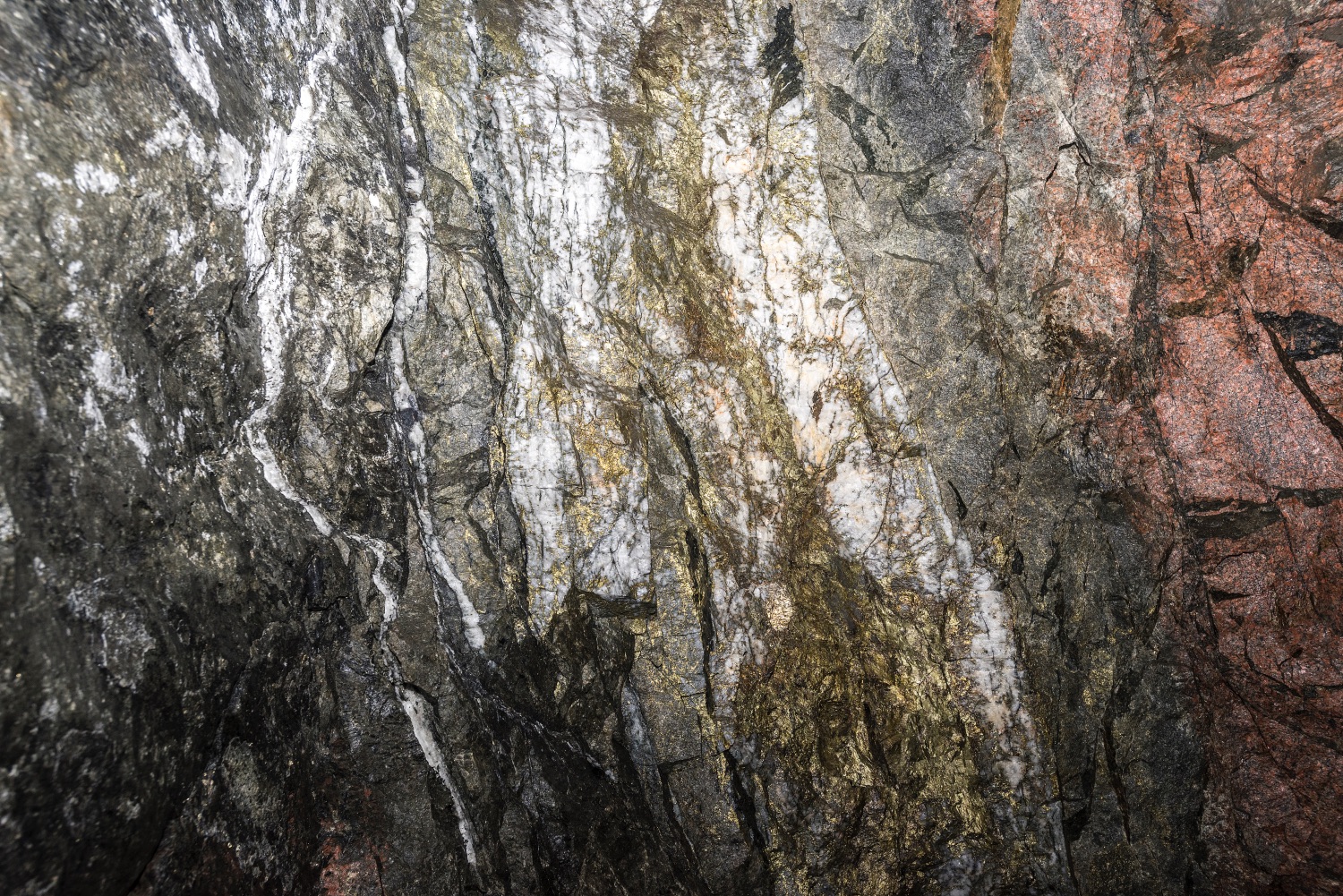
Coringa drives production growth. Its year-to-date milled grade in 2026 was 7.74 g/t gold, against 4.90 g/t at Palito. The company states that the Coringa orebody is highly amenable to ore sorting and, for 2026 onward, expects the sorter to upgrade the feed from below 6 g/t to a product above 12 g/t, with recovery above 98%. Serabi acquired 100% of Coringa for US$22 million, and its 2024 Preliminary Economic Assessment set out an 11-year mine life.
Processing capacity is rising. A fourth ball mill at Palito was installed on time and on budget and is in final commissioning, lifting plant capacity from 650 tpd to over 900 tpd and annual throughput to 330,000 tonnes in 2027. The extra capacity also creates the potential to restart the São Chico mine, which has been on care and maintenance since 2023, subject to an ongoing assessment and renewal of its GUIA license.
Both mines sit in larger trends. Palito lies within an 8 km northwest-southeast trend, and its orebodies remain open laterally, on strike, and to depth. At Coringa, drilling has been limited to about 250 m vertical depth, and the resource underlies 1.5 km of artisanal workings within an 8 km artisanal trend.
Management
Chief Executive Officer and Director Mike Hodgson has more than 40 years of worldwide mining experience, with a focus on operating and building underground mines, and was previously Chief Operating Officer of Orvana Minerals. He is a Fellow of the Institute of Materials, Minerals and Mining, a Chartered Engineer, and a Qualified Person. Interim Chief Financial Officer Nick Box has more than 20 years of experience as a senior finance professional in the extractive industries, and was formerly Vice President, Investor Relations at Harbour Energy, Acting CFO at ACG Acquisition Company Limited, and CFO at SDX Energy plc.
Chief Operating Officer Marcus Brewster has more than 20 years of mining experience, primarily in Brazil and West Africa, was formerly COO of TriStar Gold, and is fluent in Portuguese. Helio Tavares, Director of Operations and Projects, is a Brazilian mining engineer who served as general manager at Serabi from 2002 to 2005 and again from November 2012 to May 2019.
Non-executive Chairman Michael Lynch-Bell spent 38 years with Ernst & Young, where he led its Global Oil and Gas, UK IPO, and Global Oil and Gas and Mining transaction advisory practices. Non-executive directors are Deborah Gudgeon, a qualified ACA accountant, and Luis Mauricio Azevedo, a Brazilian lawyer and geologist who is Chairman and CEO of Bravo Mining. The company describes its management team and Board as having an extensive track record in Brazil.
Growth Strategy
Serabi aims to become a producer of more than 100,000 ounces a year through a three-phase organic strategy: ramping up production (Phase 1), building a consolidated resource of 1.5 to 2.0 million ounces in 2025 and 2026 (Phase 2), and expanding production capacity in 2027 (Phase 3), for which it regards the Palito plant expansion as the most economically viable option.
Phase 1 depends on Coringa's permits. Coringa operates under a three-year GUIA trial mining license that allows up to 100,000 tonnes of ore per year to be transported to Palito and expires on 29 January 2027, or earlier if the annual tonnage limit is exceeded. By 30 September 2026, 85,602 tonnes had been transported against that allowance. The company is pursuing two routes in parallel: discussions with the Agência Nacional de Mineração (ANM) to continue under the GUIA, backed by a legal petition, and the operating license (LO). For the LO, the Indigenous Component Study (ECI) has been approved by both Indigenous groups. It is awaiting final approval from FUNAI, and the land-use change requires final INCRA approvals at both the state and federal levels. In September 2026, the Pará environmental agency, SEMAS, agreed that Serabi can bypass the installation license and, once FUNAI and INCRA approvals are received, apply directly for the LO.
Because these approvals have not yet been received, 2026 production is now expected to be at a similar level to 2025, compared with previous guidance of over 53,000 ounces. Management will update guidance with the third-quarter financial results, expected in late November. Coringa's move to mechanized sublevel open stoping remains on track for the fourth quarter of 2026, with mining underway in four zones: Serra, Serra South, Meio, and Galena. Capital expenditure is expected to be materially lower in 2027.
Phase 2 is advancing through brownfield drilling. The 2025 program raised the consolidated mineral inventory to 1.4 million ounces from 1.0 million ounces. The 2026 program totals 32,000 m with six rigs and is expected to finish in October 2026. Highlights include 1.38 m at 11.85 g/t gold, including 0.42 m at 37.10 g/t, at Serra South, and 1.70 m at 16.13 g/t at Meio (a Palito laboratory result, with the ALS assay not yet received), where results define a mineralized corridor extending more than 200 m beyond current underground development. Updated Mineral Resource Estimates for Palito and Coringa are expected in the first quarter of 2027.
Financial Overview
In the first half of 2026, revenue rose to US$100.1 million from US$62.5 million, EBITDA rose 69% to US$44.4 million, and profit after tax rose to US$30.1 million from US$18.9 million. Gold sales were 21,348 ounces at an average realized price of US$4,687 per ounce, against US$3,093 a year earlier. The cash cost was US$2,010 per ounce, and AISC was US$2,682 per ounce, compared with US$1,379 and US$1,792 a year earlier. The company attributes the increase over the first quarter of 2026 largely to the Coringa ramp-up and approximately US$4 million of one-time general and administrative charges.
Third-quarter production was 11,008 ounces, 9% below the same quarter of 2025, driven by lower Palito grades.
Cash was US$63.2 million on 30 September 2026, down from US$65.7 million on 30 June, as operating cash generation was offset by the company's maiden dividend of US$5.1 million paid in July. The company repaid US$5.3 million to Banco Santander in the first quarter of 2026 and remains debt-free.
The October presentation, which still shows guidance above 53,000 ounces, cites consensus broker estimates that place Serabi at 1.6 times 2026 enterprise value to EBITDA, against a peer average of 5.2 times. The 18 September market capitalization of US$278.3 million equates to about US$201 per ounce of consolidated resource, and fully diluted shares add about 3.7% to the share count.
Risk Factors and Mitigation
- Commodity Price Volatility: A lower realized price in the second quarter of 2026, at US$4,490 per ounce, compared with US$4,926 in the first quarter, was one factor that reduced cash generated. First-half AISC was US$2,682 per ounce against a realized price of US$4,687, and the company carries no debt.
- Regulatory & Permitting Risks: Coringa's GUIA license expires on 29 January 2027, or earlier if the annual tonnage limit is exceeded, and the LO still needs final approvals from FUNAI and INCRA, whose delays have already cut 2026 production expectations. The company is pursuing the GUIA continuation and the LO in parallel, has filed a legal petition supporting continued operation, and SEMAS has agreed that it can skip the installation license stage.
- Technical & Operational Risks: Palito mined grades were below budget in the third quarter of 2026, and since mid-2019, the Palito laboratory has overestimated exploration drill core assays above 1 g/t by an average of 6.7% relative to external results. However, management states its facility shows a sufficiently good correlation with independent laboratories for exploration drill samples. Coringa's milled grades are close to 8 g/t, Palito grades are expected to improve from the G3 vein in the fourth quarter, and all validated drill results will be incorporated into the updated resource estimates.
- Environmental & Social Risks: Coringa's LO depends on FUNAI approval of the Indigenous Component Study. Both Indigenous groups have approved the study, and the company reports no conventional tailings dams, zero activity within the primary forest, and 70% of employment sourced from Pará State.
- Financing Risk: Serabi describes its growth as organically funded, including an additional US$15 million for underground development in 2026. The company states that its strong financial position and lower capital expenditure expected in 2027 give it the flexibility to continue investing, and that it held US$63.2 million in cash with no debt at 30 September 2026.
- Execution Risk: Several steps must come together: the Coringa permits, the shift to mechanized sublevel open stoping, commissioning of the fourth ball mill, and the updated resource estimates. The ball mill was installed on time and on budget and is in final commissioning, and the mining-method transition remains on track.
Conclusion
Serabi Gold offers exposure to a debt-free gold producer in Brazil's Tapajós region, with two underground mines feeding a single plant, a consolidated resource of about 1.4 million ounces, and plant capacity at Palito increased to over 900 tpd. It plans to become a producer of more than 100,000 ounces per year, with Coringa milled grades near 8 g/t and a Palito tax rate of approximately 15.25% through 2035.
The main uncertainty is the timing of Coringa's permits, which has already led the company to expect 2026 production at similar levels to 2025, alongside weaker Palito grades. Investors should watch for a decision on the GUIA before its 29 January 2027 expiry, final approvals from FUNAI and INCRA leading to the LO, the guidance update in late November, and the updated Mineral Resource Estimates in the first quarter of 2027.
Article
Serabi Gold Analyst Notes

Company Resources
Submitted by
Serabi Gold
Charts
Similar Companies


Stay Informed
Sign up for our FREE Monthly Newsletter, used by +45,000 investors
By clicking send you'll receive occasional emails from Crux Investor. You always have the choice to unsubscribe within every email you receive.

